Guide
A Practical Guide: How to Get Your F&B Brand into Indonesia's Retail Networks
Indonesia is the largest F&B market in Southeast Asia — but getting into its retail networks is not as easy as it looks. This is a practical roadmap from a distribution team that has done it many times.
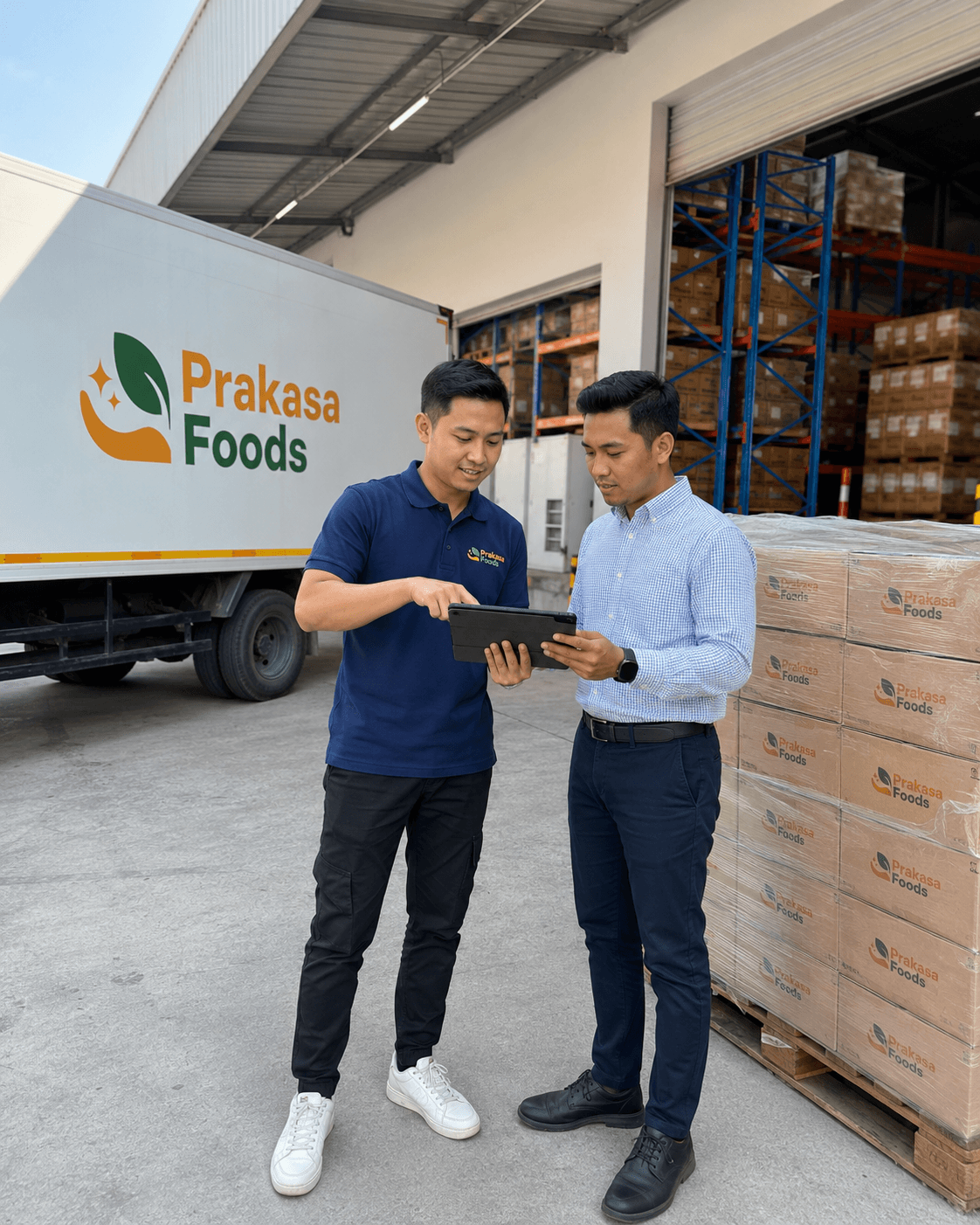
Indonesia is an enticing market for food and beverage brands. A population of 270 million, a growing middle class, and F&B consumption per capita that rises every year. But many principal brands — local and international alike — arrive with a good product and then stumble, not because the product is lacking, but because they do not understand how Indonesia's retail distribution channels work.
This article is a practical guide based on our experience distributing F&B brands into General Trade, Modern Trade and e-commerce networks in Indonesia.
Step 1: Get the Regulations Sorted Before You Talk Distribution
This is the step most often rushed. In Indonesia, F&B products on the market must meet several key regulatory requirements:
- BPOM (the Food and Drug Authority) distribution approval is an absolute requirement. Without a BPOM registration number, no official distributor can put your product on a retail shelf. Registration can take 3–6 months for a new product.
- MUI Halal certification is increasingly a necessity, not an option. Although not every product category is mandatory yet, the absence of the MUI halal logo practically closes off access to millions of Indonesian Muslim consumers — the majority of the market.
- For dairy, chilled drinks and fresh food, there are cold-chain and storage requirements that the distributor must meet. Choose a partner with standards-compliant cold storage facilities.
Step 2: Validate the Product in the Local Market Before Scaling Up
The principal brands that enter Indonesia most successfully usually do not go full throttle to 1,000 outlets straight away. They start small, validate the product, then scale.
The validation phase we recommend:
- Start with 50–100 General Trade outlets in one city. Jakarta, Surabaya or Bali are the best choices because consumers there are more open to new products and can give quick feedback.
- Measure sell-out rate, not sell-in. Sell-in (product leaving the distributor's warehouse for outlets) is an easily manipulated number. What matters is sell-out — product actually sold to the end consumer. A good distributor will give you this data.
- Identify the optimal price point. The right price for the same product can differ significantly between South Jakarta and suburban Surabaya. The validation phase is the best time to find this out.
Step 3: Understand How Listing Works in Modern Trade
If your product is ready to enter Modern Trade networks, the process is more formal than most new brands imagine.
The listing process at a national MT chain (Alfamart/Indomaret) usually involves:
- Submitting a proposal to the chain's buying team — usually through a distributor partner that already has an active account with that chain.
- A product presentation and business case: projected sell-out, planned promotion programmes and supply chain commitments.
- Negotiating margin and trade spend. Indonesian MT generally asks for a margin of 20–35% of the consumer selling price, plus an initial listing fee and periodic promotion costs.
- A limited trial before national rollout. Many MT chains start with a listing in 20–50 pilot stores before deciding whether to roll the product out across the whole network.
This process can take 2–4 months from submission to shelf. A distributor with long-standing relationships with the MT buying team can speed it up significantly.
Step 4: Don't Overlook E-Commerce
F&B e-commerce in Indonesia has grown faster than other retail segments since the pandemic. Tokopedia (now TikTok Shop), Shopee and Lazada are no longer secondary channels — for some product categories such as health drinks, premium snacks and imported products, e-commerce is even the main channel.
The advantages of e-commerce for a new brand:
- A lower barrier to entry than physical MT. No initial listing fee and no minimum stock requirement per SKU.
- Richer consumer data. You can see which products are searched for, which prices get clicked most, and which reviews consumers write — information that is very valuable for product iteration and messaging.
- It can run in parallel with GT and MT. Unlike the other two channels, which need tight stock coordination, e-commerce can be managed with relatively more flexible inventory.
Step 5: Choose the Right Distribution Partner, Not the Cheapest
This is the decision that most determines whether your brand succeeds in Indonesia. A distributor is not just a provider of warehouses and trucks — they are your brand's extended arm in the market.
What to look for in an F&B distribution partner:
- A relevant brand portfolio that does not compete directly with your product. A distributor already handling similar (but non-competing) brands has category knowledge and relevant outlet relationships.
- Channel coverage that matches your target. If you want to be in GT and MT at once, choose a distributor already operating in both channels — not one that specialises in a single channel.
- Data transparency. A serious distributor will provide regular sell-out reports, outlet coverage data and stock visibility. Avoid partners who can only give you sell-in data.
- Cold-chain capability if your product needs it. This is non-negotiable for dairy, chilled drinks and fresh products.
Conclusion
Entering Indonesian retail is not instant, but it is not an impossible mission either. With regulations in order, structured market validation and the right distribution partner, your F&B brand can be on shelves across Indonesia within months.
Prakasa Foods Nusantara helps local and international brands navigate this journey. From handling the regulatory side of distribution and listing in Modern Trade networks to General Trade operations in Greater Jakarta. If you would like to discuss your product and how we can help, send a message to our team — we usually respond within 1 working day.
Ready to partner with us?
Whether you're a buyer or a brand owner, our team is ready to talk.